
REader’s guide for YOUNG CHANGEMAKERS
You don’t need to have everything figured out to make a difference. These questions are an invitation to reflect honestly on where you are, to trust the value of your lived experience, and to explore how change can begin before certainty arrives.
Questions and Topics for Discussion
Many people feel pressure to have a clear plan early in life.
This book suggests that paths are rarely straight—and that you don’t need to have everything figured out to make a difference. How did it change (or affirm) how you think about uncertainty, detours, and not knowing what comes next?McKenna’s story shows that lived experience matters in making change.
What parts of your own experience—where you grew up, what you’ve lived through, what you care about—do you sometimes underestimate as sources of insight or leadership?A recurring message in the book is that you don’t need to become someone else to make a difference.
How does that idea land for you in a world that constantly compares, ranks, and pressures people to perform?Many young people today are living with overlapping crises—climate change, the pandemic, political polarization, and rapid technological change like AI.
How did the book help you think about staying engaged without becoming overwhelmed or burned out?The book pushes back on the idea that impact only comes from big titles or perfect victories.
What did it suggest about the value of small wins, partial progress, or simply staying in the work when things feel unfinished?Being told “no” shows up often in the story.
How did the book frame rejection or resistance—not as a stopping point, but as something to respond to? Where in your own life have you been told “no,” or worried about hearing it?McKenna emphasizes listening, learning, and changing course—especially when working with people whose experiences are very different from her own.
What does the book suggest about humility and curiosity as real strengths in leadership?Friendship, joy, and doing what you love are treated as essential—not distractions from serious work.
Why do you think joy matters in movements for change? What helps you stay connected to what you love when the work feels heavy?The book suggests that making change often requires working with others rather than going it alone.
What kinds of teams, communities, or support systems feel most important to you right now?“Hard things are hard” is a recurring truth in the book.
How did this honesty affect you? Did it make the work of change feel more realistic, more possible, or both?The book ends with the idea of becoming “significant to yourself.”
In a world full of metrics, noise, and external validation, what do you think that means for your generation? What would trusting your instincts look like?After reading this book, what feels newly possible for you to try—even if it’s small or uncertain?
What kind of change do you feel more willing to try, knowing you don’t need to have everything figured out to make a difference?
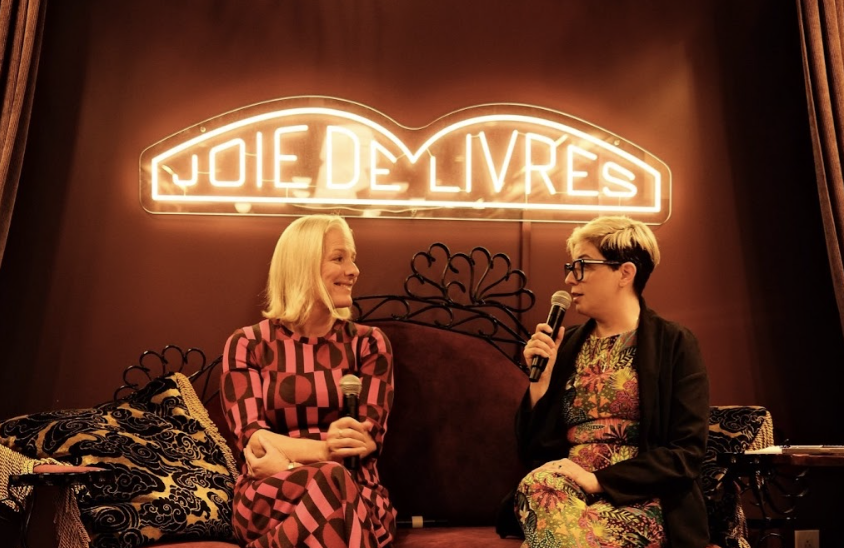
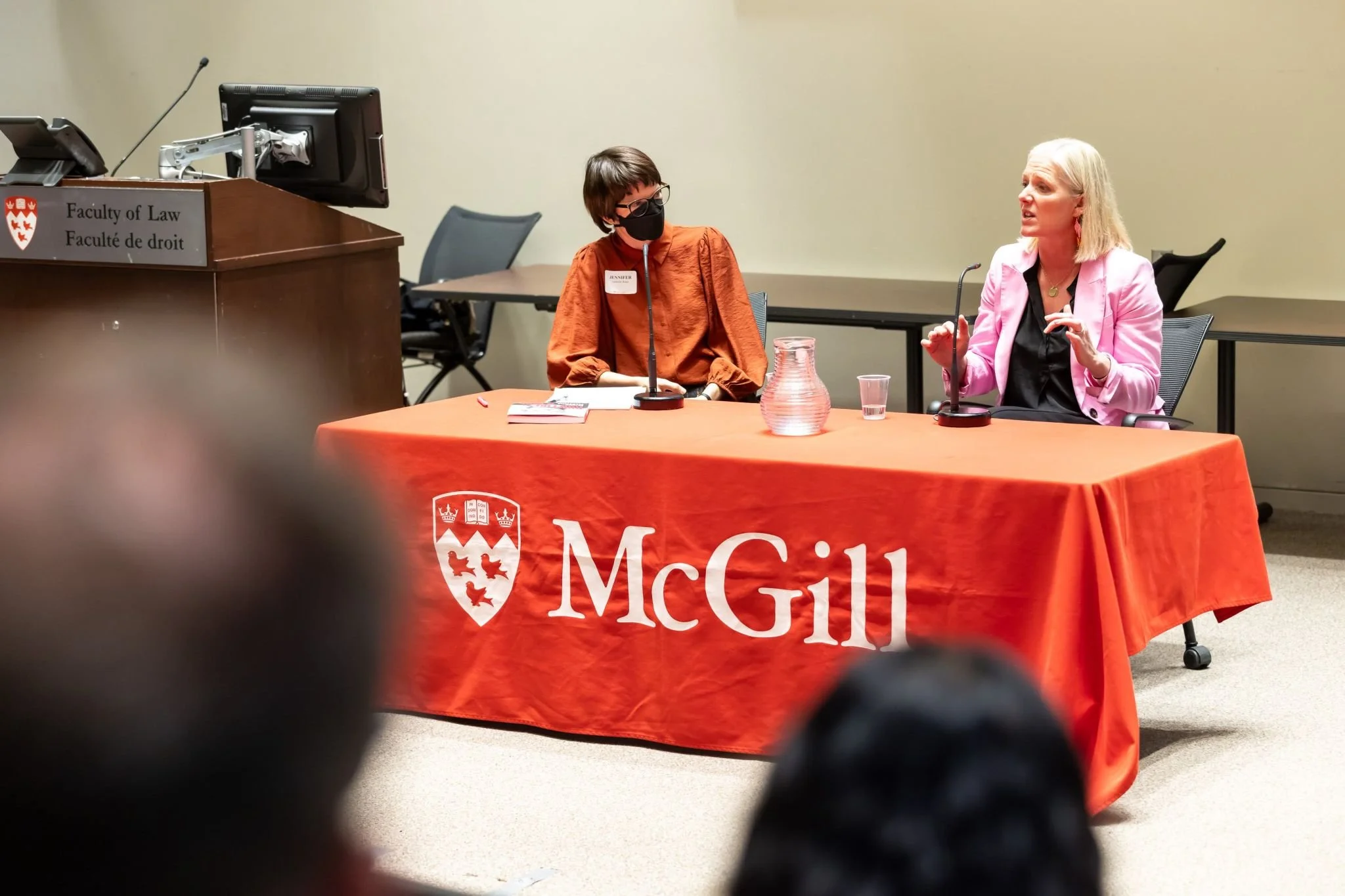
About Catherine
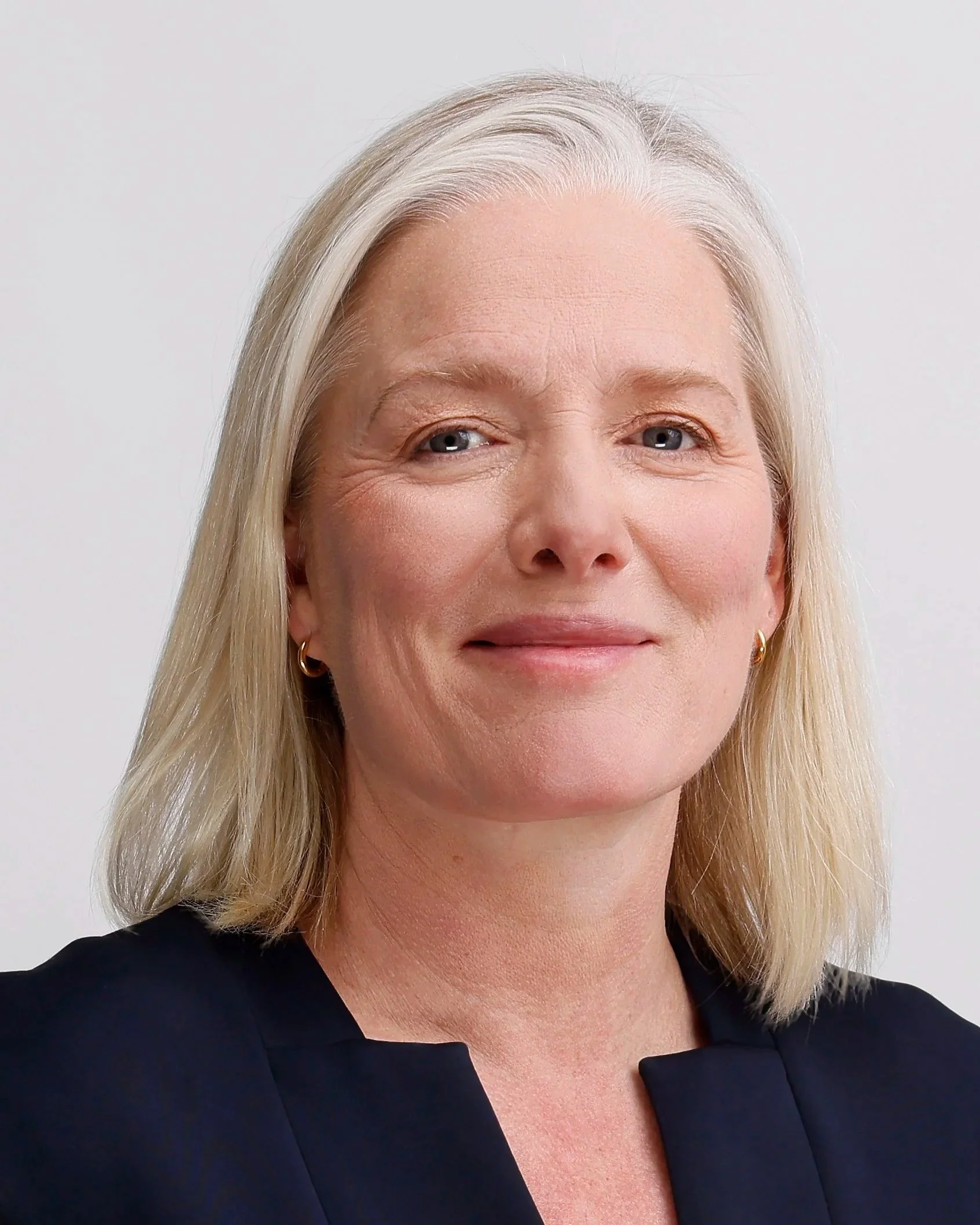
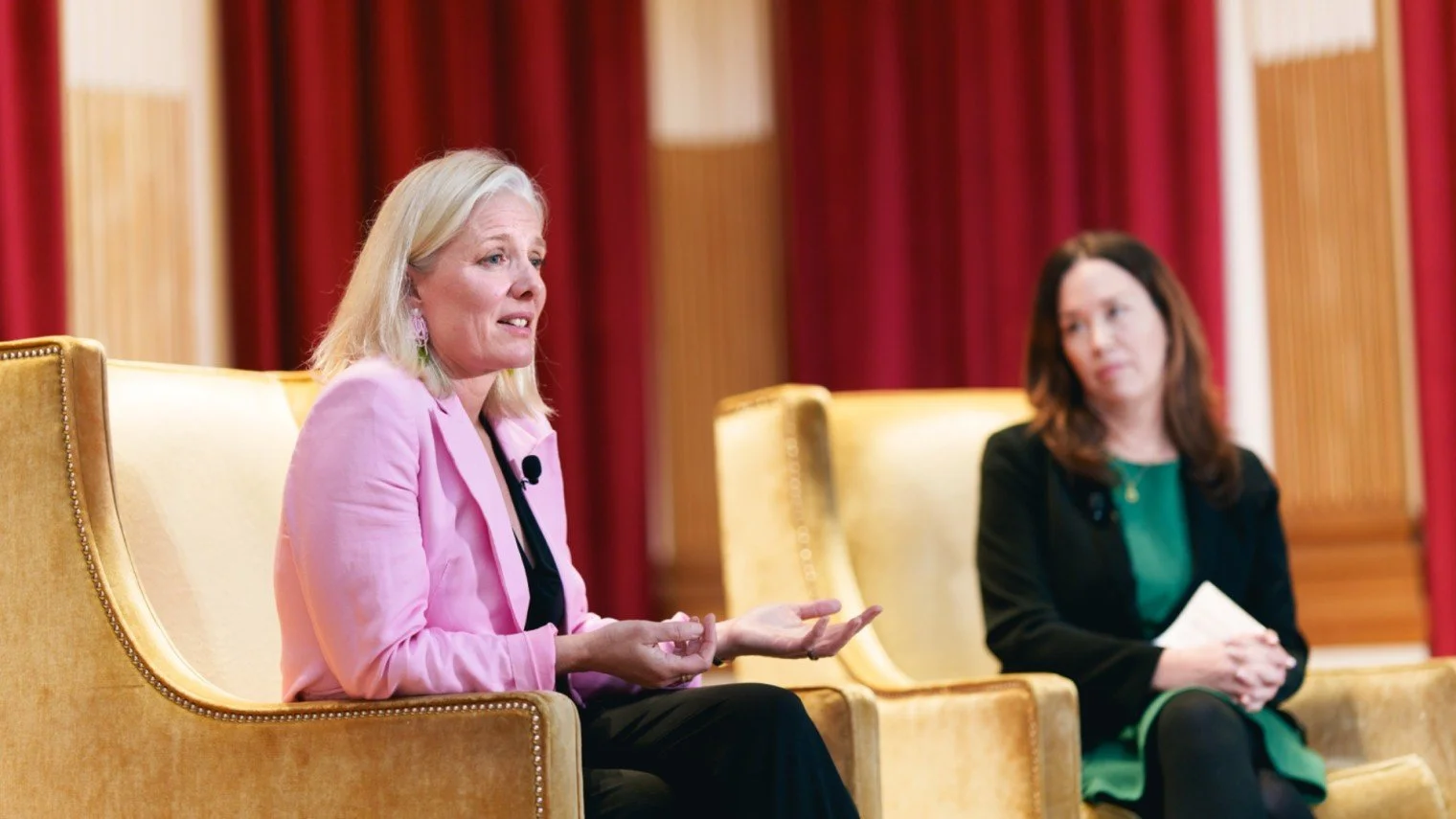
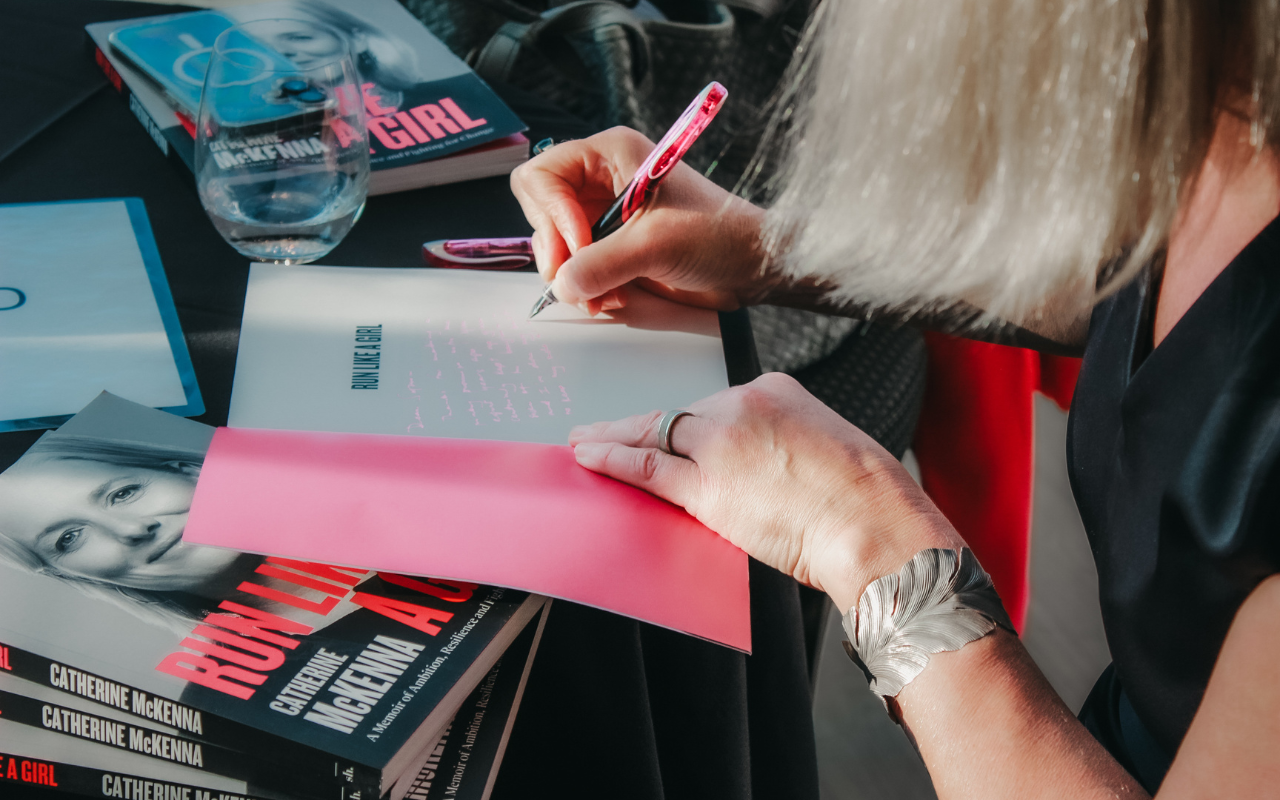
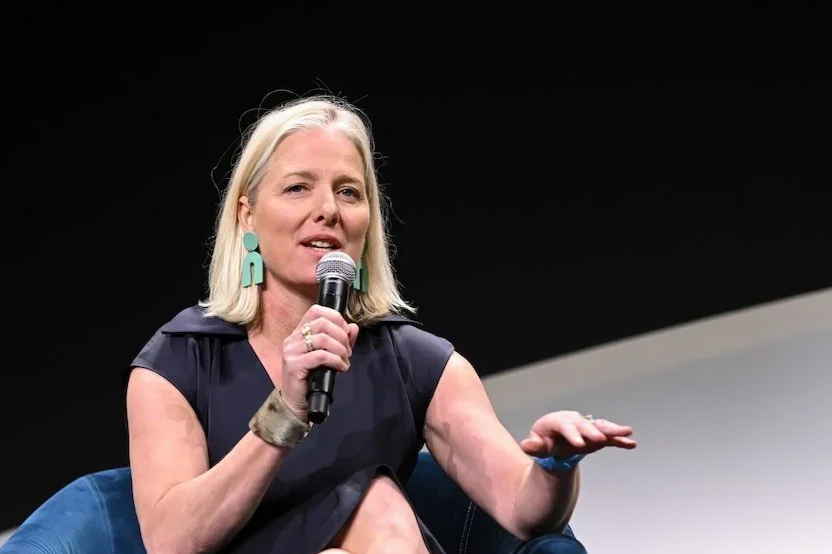
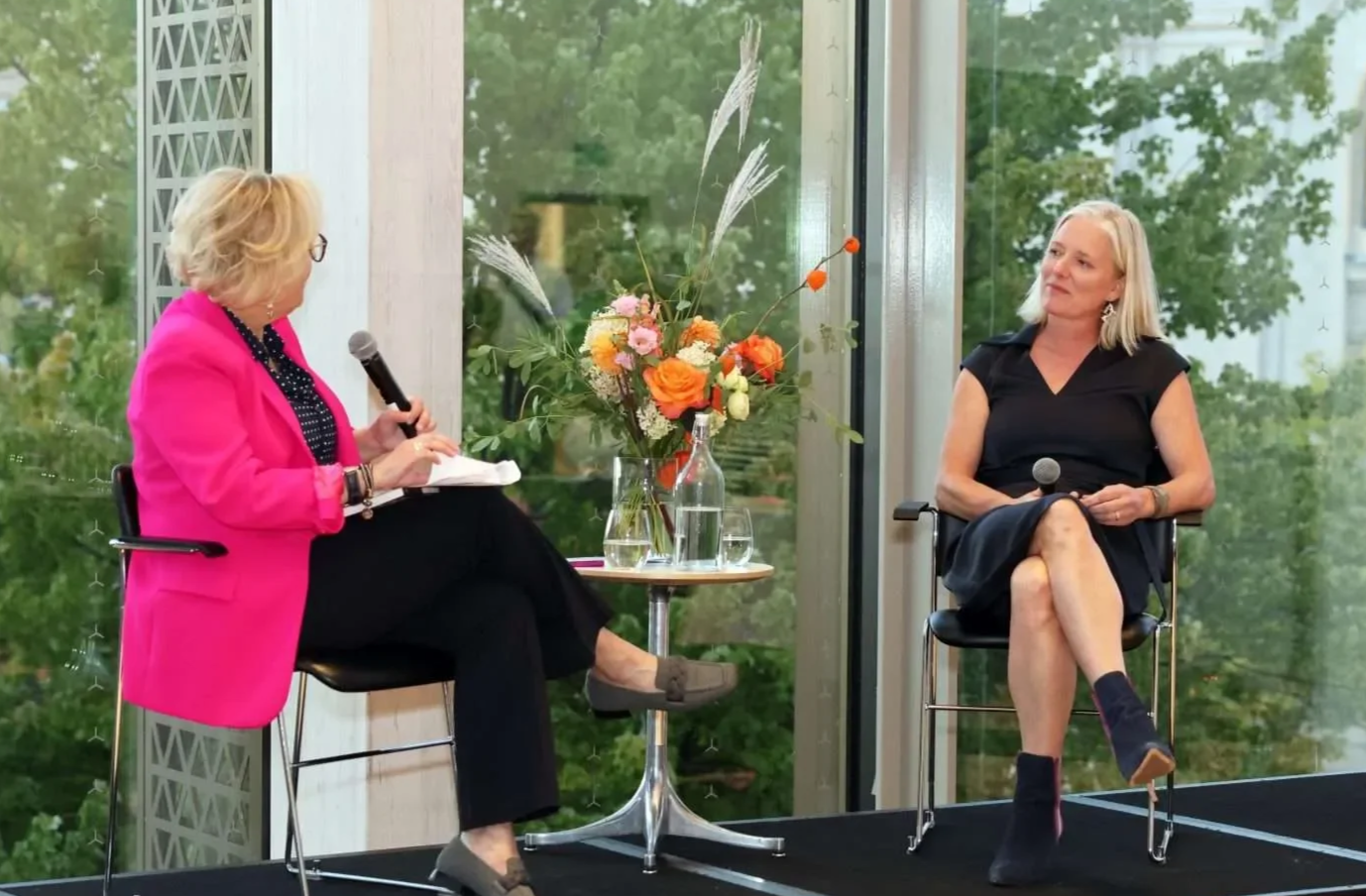
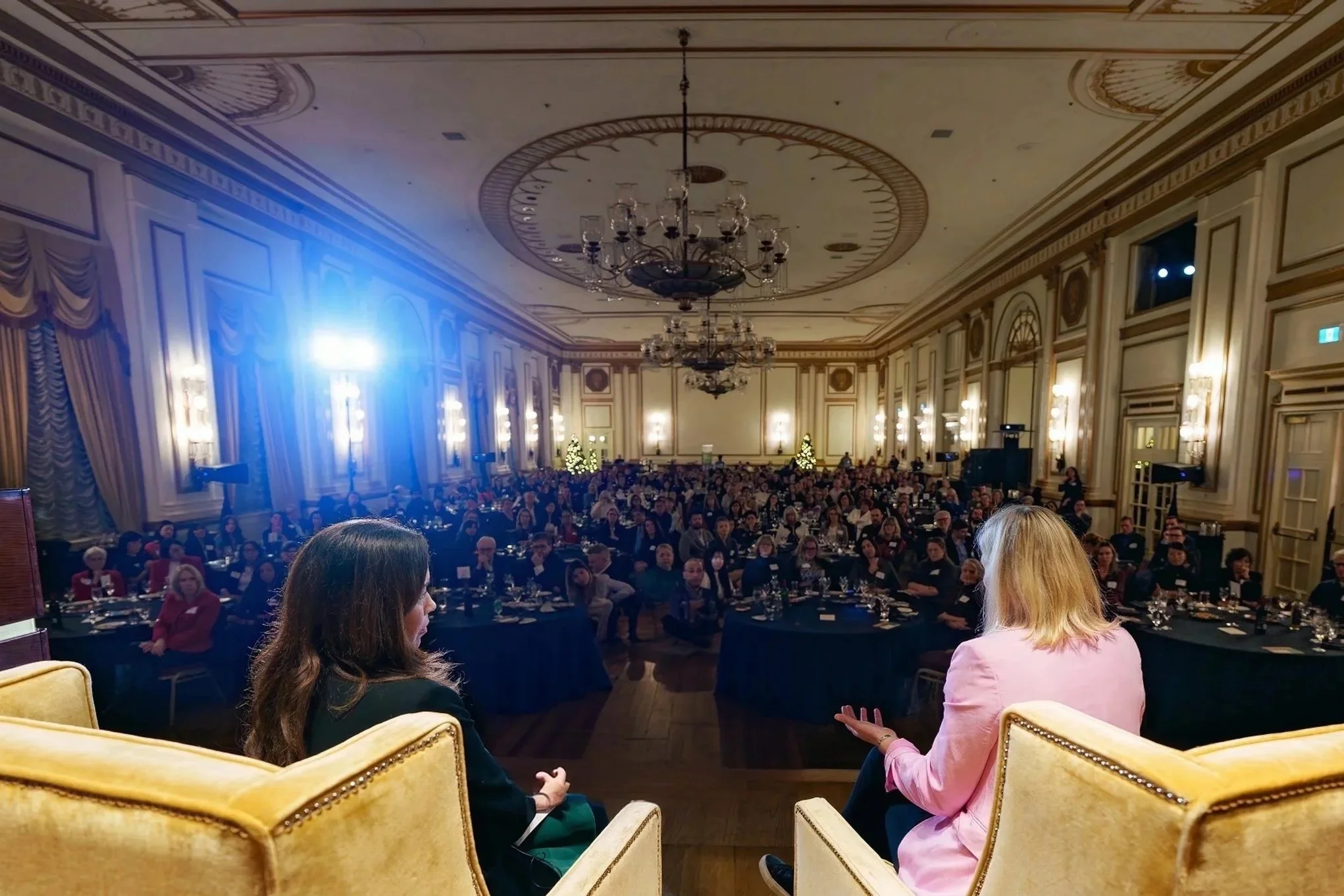
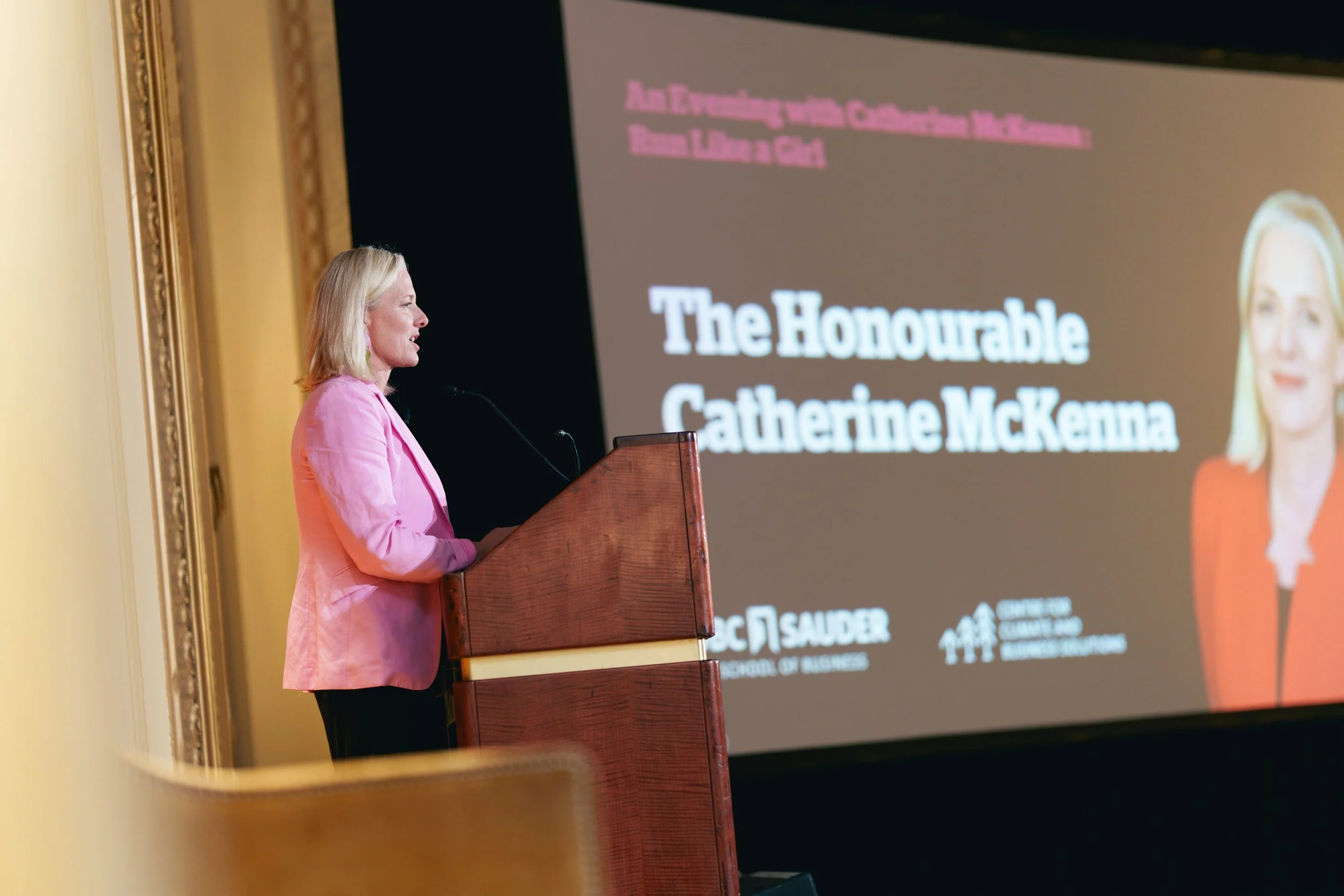
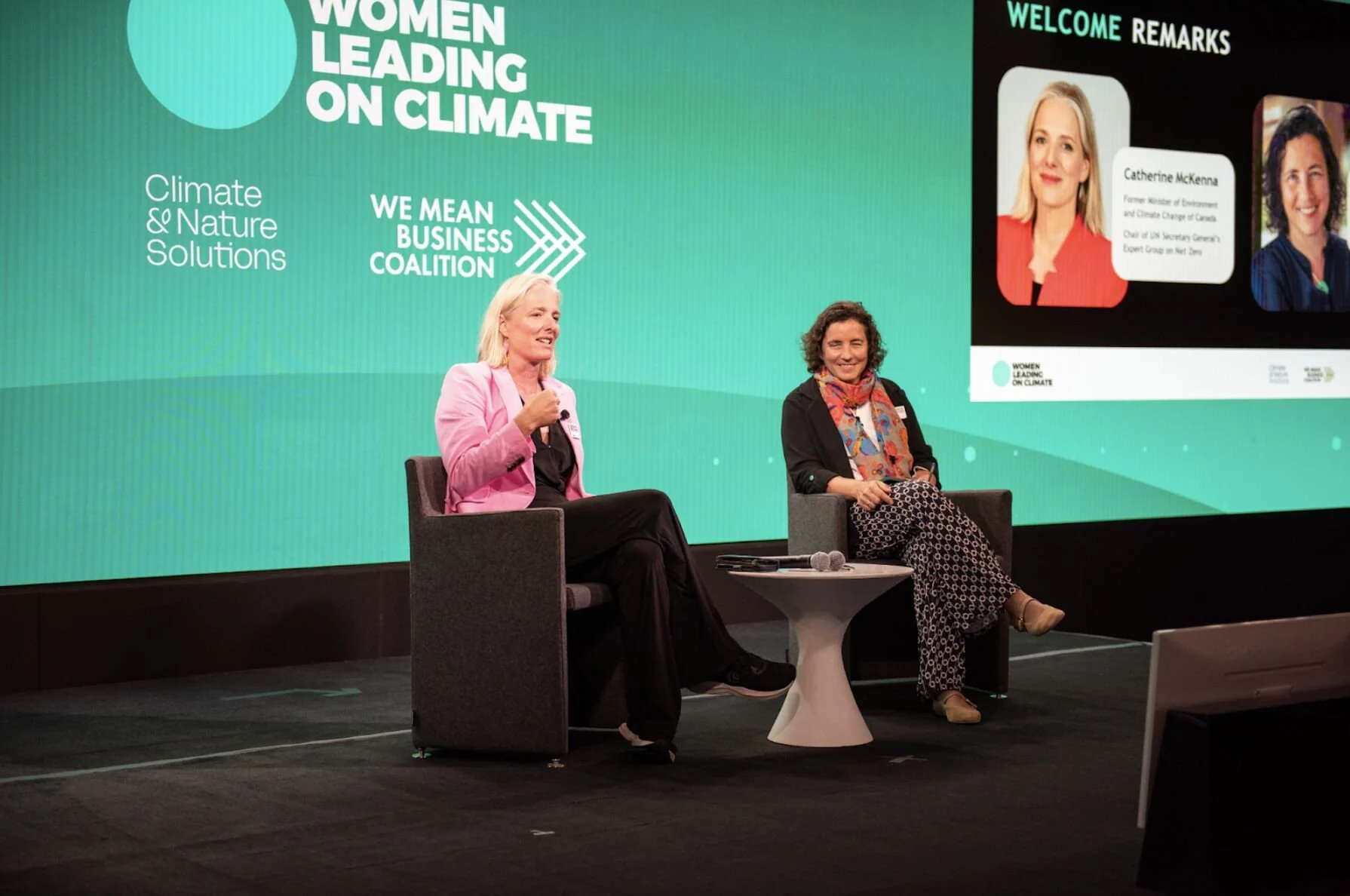
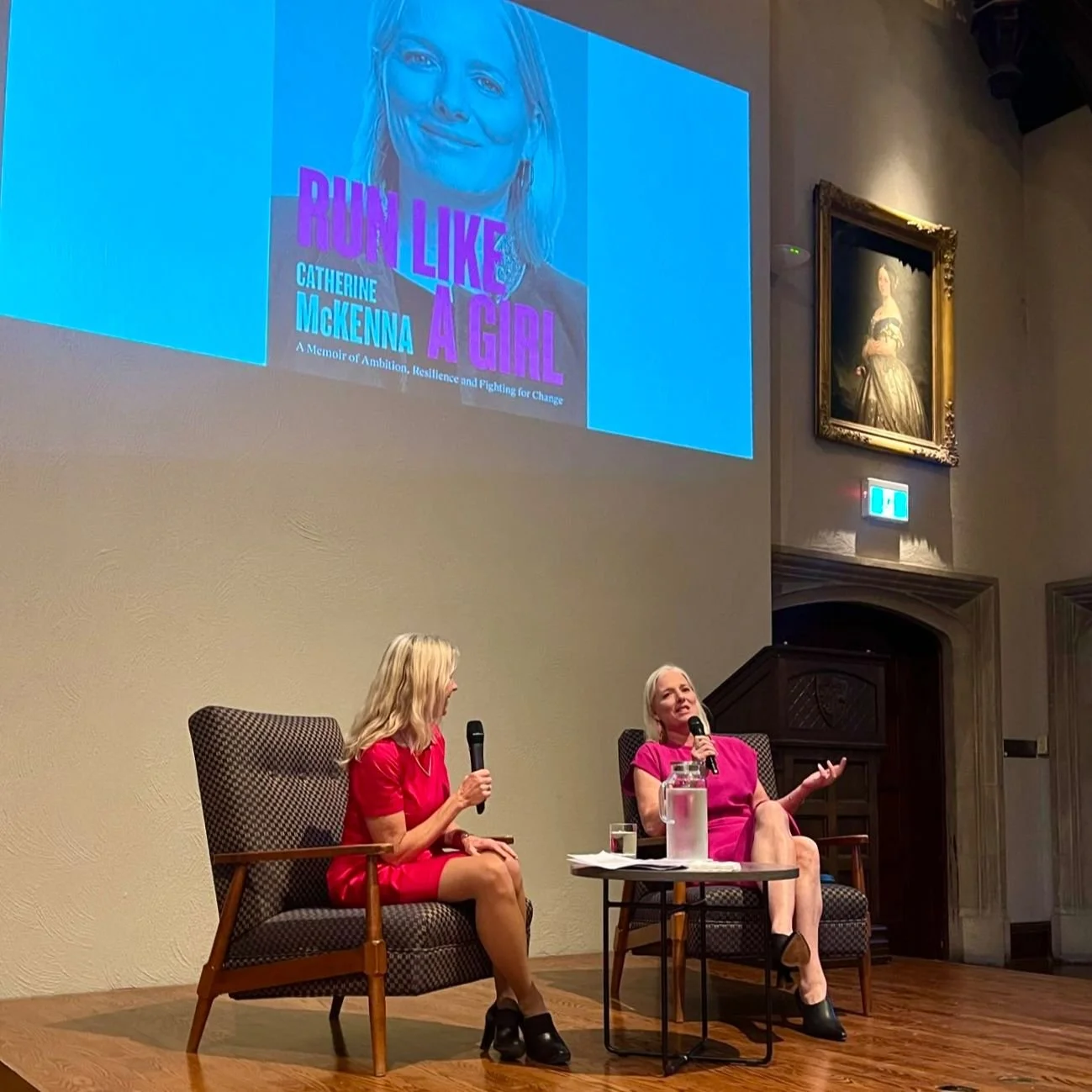
Catherine McKenna is the Founder and Chief Executive Officer of Climate and Nature Solutions. She is Canada's former minister of environment and climate change, and minister of infrastructure. She is chair of the UN Secretary General’s Expert Group on Net Zero, founded Women Leading on Climate, practiced law in Canada and Indonesia, established a not-for-profit focused on providing justice for all, and worked for the United Nations peacekeeping mission in Timor-Leste. She has three children, is an avid open water swimmer, and lives in Ottawa.