
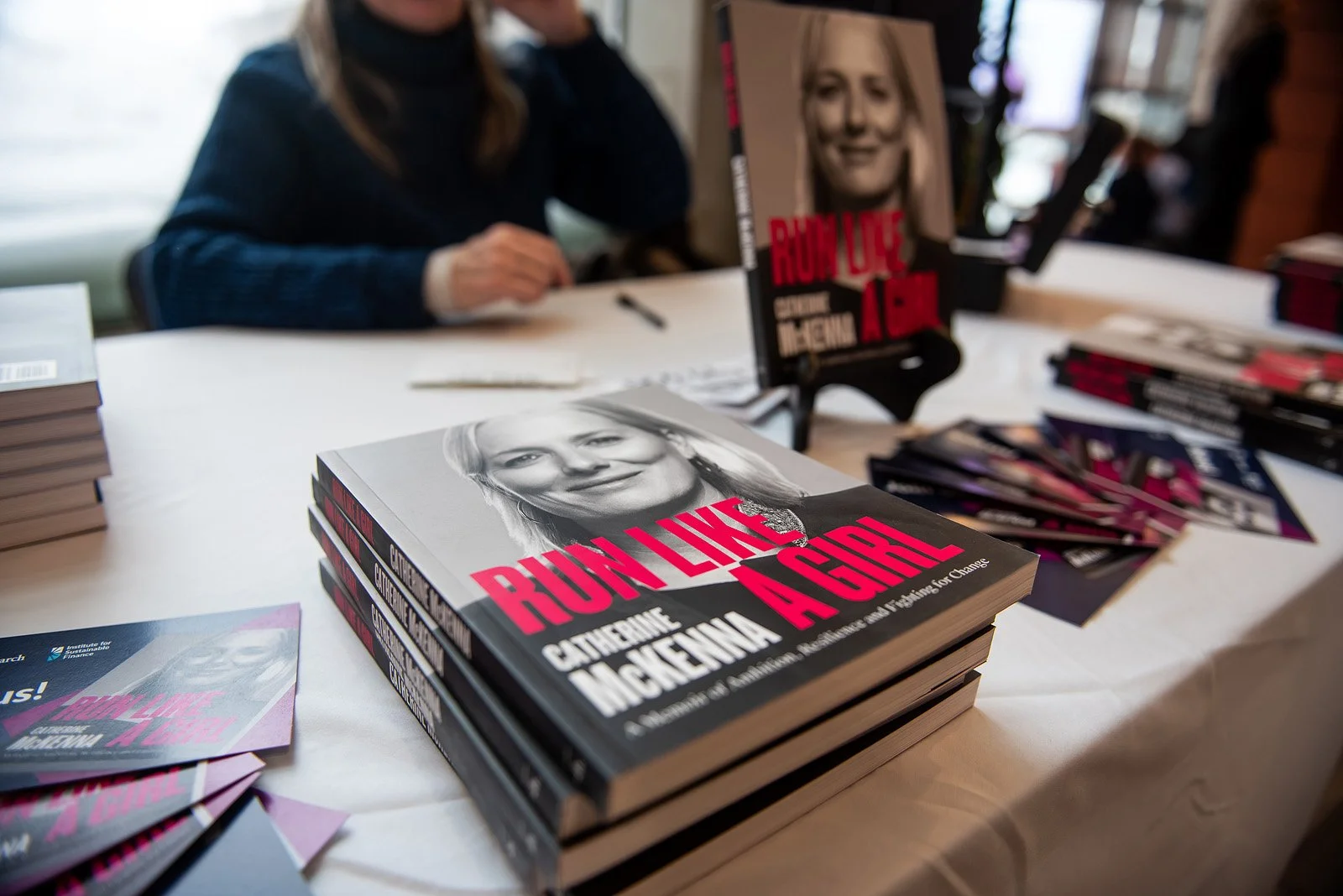
The Run like a girl
Reader’s Club
These questions are designed to encourage conversation across generations, backgrounds, and experiences. You can choose to focus on a subset of questions depending on time and interests. Discussion leaders are encouraged to invite participants to reflect both on McKenna’s story and on their own lived experiences, creating space for personal insight as well as collective learning.
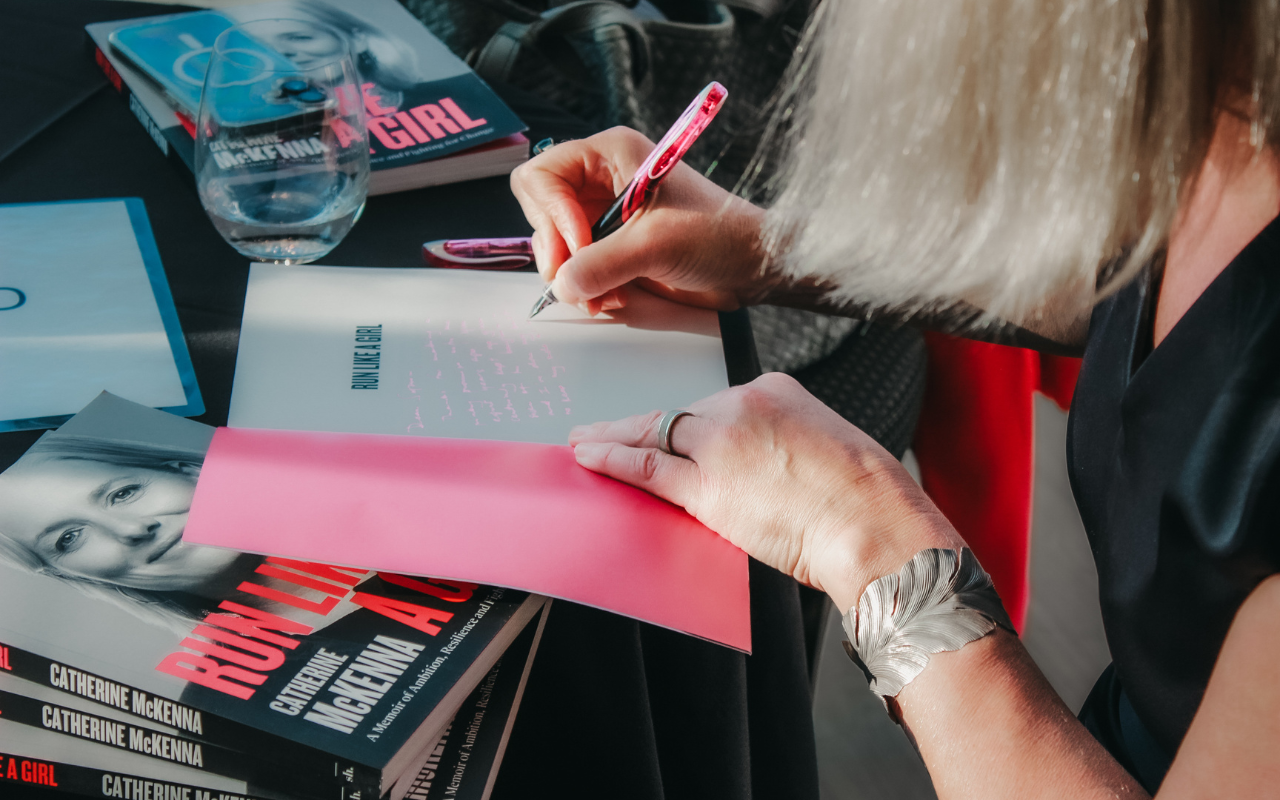
With an engaging scrapbook-style, this book blends personal anecdotes, political battles and reflections on balancing ambition, motherhood, and activism. McKenna recounts her fight for climate policy, the ups and downs of her public service, the tough decision to leave politics, and her mission to empower women in leadership.
Questions and Topics for Discussion
1. “Run like a girl” begins as an insult and becomes something McKenna claims for herself.
How does the meaning of that phrase change over the course of her life and career? Where did that shift resonate with your own experience? Where does reclaiming language feel powerful—and where does it meet real limits?
2. The book quietly challenges narrow ideas of ambition and authority through McKenna’s experiences.
She writes about being told no—explicitly and implicitly—and choosing when to keep going anyway. How does her story reflect the reality many women face of being told “no”? How does this shape her belief that leadership is about doing something, not being someone?
3. The memoir often returns to the idea that life isn’t linear.
Risk, uncertainty, and unexpected opportunities play an important role. How did this non-linear view of life land with you? Where have detours or risks shaped your own path?
4. Across her career—from practising law, to running an NGO, to entering politics, and eventually leaving government—McKenna keeps reassessing how change actually happens.
How does the book show her testing different ways of making change and moving on when their limits become clear? What does this suggest about knowing when to change tools rather than stay in a role?
5. Many of the most formative moments in the book happen outside formal power—through swimming, friendship, family life, travel, and caregiving.
The memoir makes room for fun, connection, and doing what you love alongside serious work. How do joy, friendship, and family help sustain leadership over time?
6. In her work with Indigenous peoples, McKenna describes learning to listen more carefully and to learn from people with very different experiences from her own.
What does the book suggest about the importance of listening and humility in making real change? How did these moments shape her leadership?
7. The book is candid about misogyny, online abuse, and the cost of being visible as a woman.
McKenna’s experience of being labelled “Climate Barbie” is one striking example. What does this help explain about why women—especially women leading on climate—are targeted so intensely? What felt familiar, and what felt specific to this moment?
8. Climate change is framed less as a technical problem and more as a moral responsibility.
When McKenna insists that “climate is the thing,” how did that framing affect you? How does it compare to how climate leadership is usually discussed?
9. We’re reading this book at a moment when working on climate, human rights, and democracy feels especially hard.
With polarization, war, economic anxiety, and backlash shaping what’s possible, what in McKenna’s experience felt grounding rather than optimistic? What helps her stay with the work when progress is slow?
10.Change in the memoir rarely happens alone—it happens in teams.
From swim teams to campaign teams to cabinet, what does the book suggest about how change actually happens? What kinds of leadership cultures help women stay engaged rather than burn out or opt out?
11.Support between women appears repeatedly throughout the book.
Where did you see that support make a real difference—not just emotionally, but practically and strategically? How does this resonate with your own experience of women’s leadership?
12.The book closes with the idea of becoming “significant to yourself.”
After reading McKenna’s story, what does that phrase mean to you now? At different stages of life, how have you learned—or are still learning—to trust your instincts?
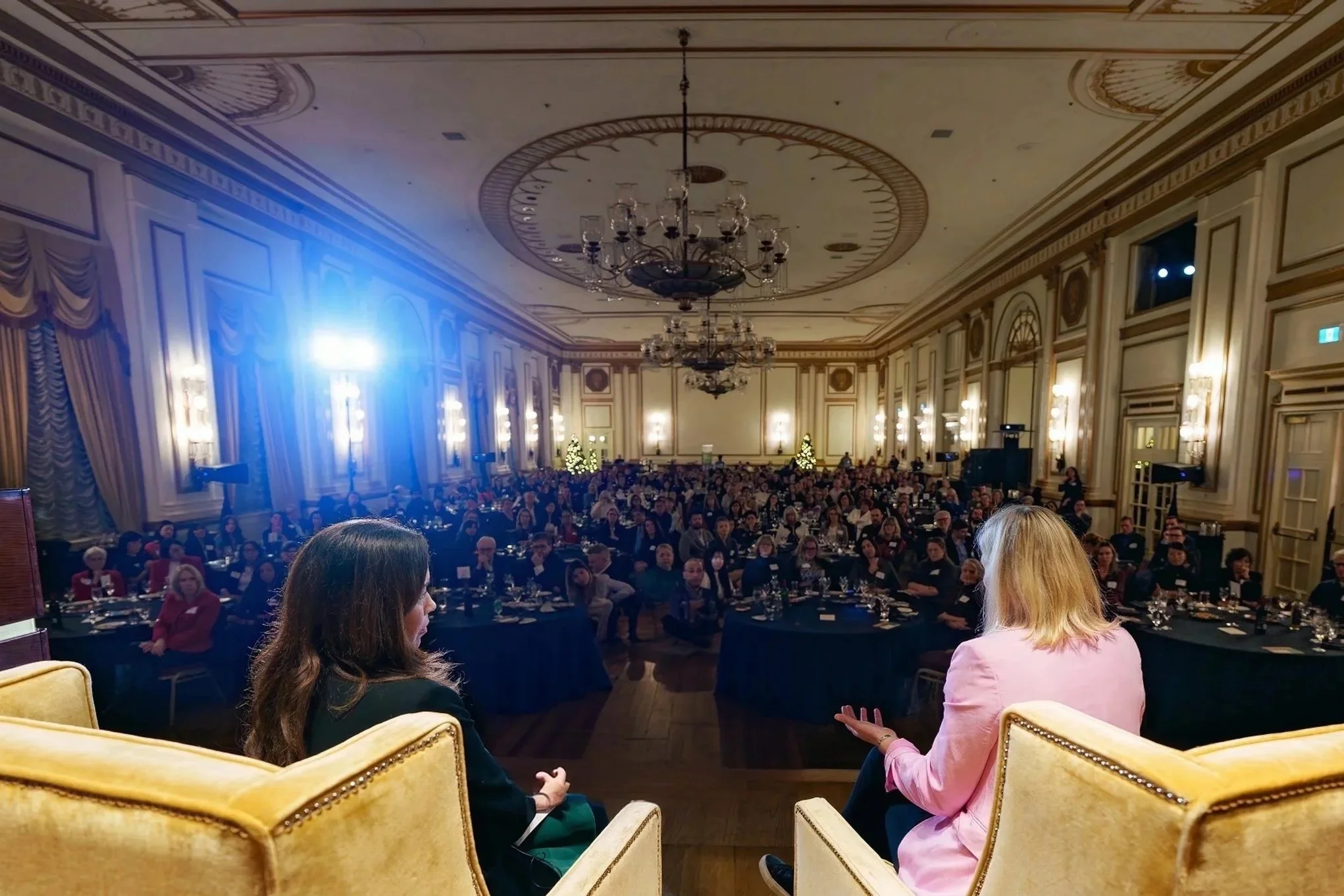
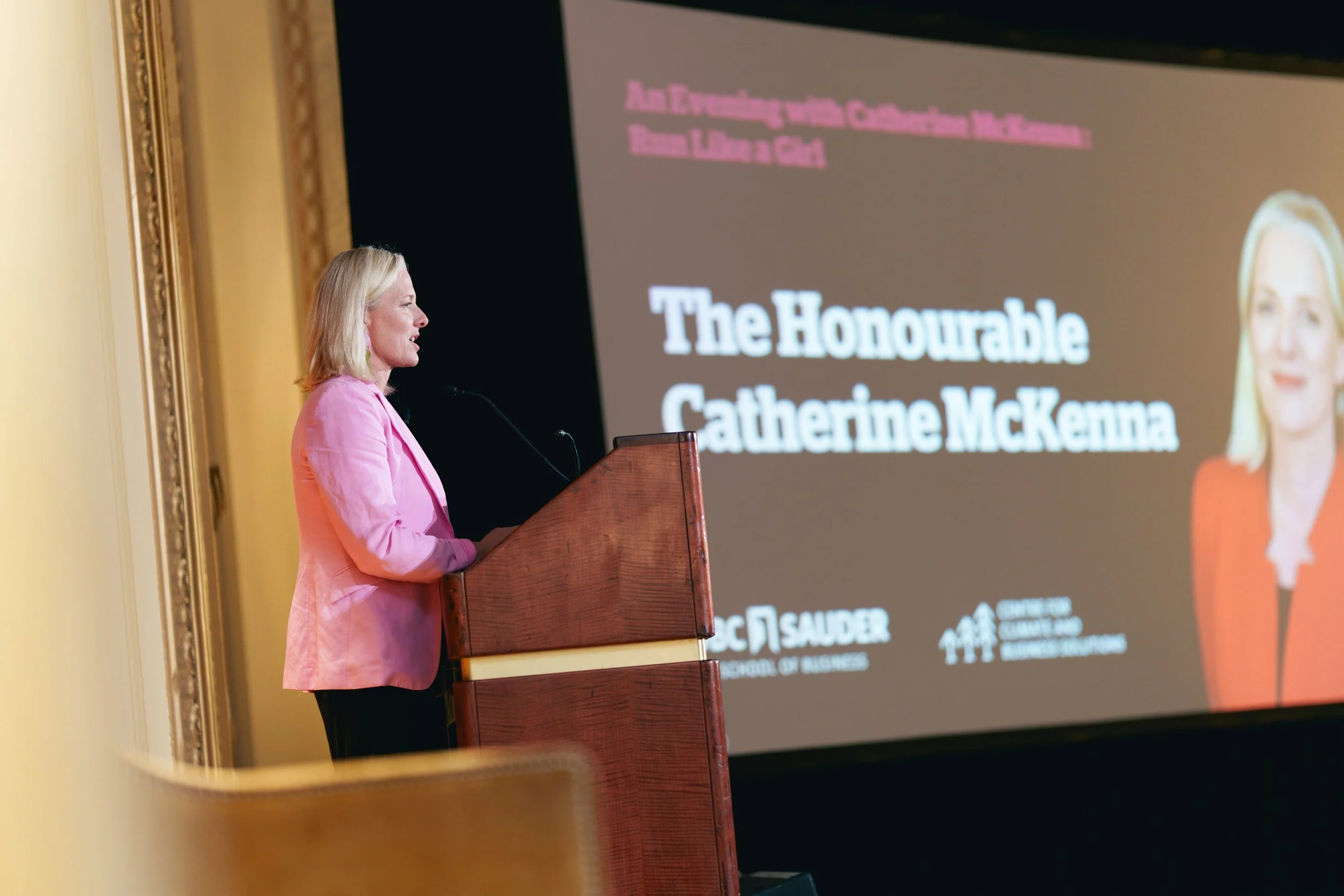
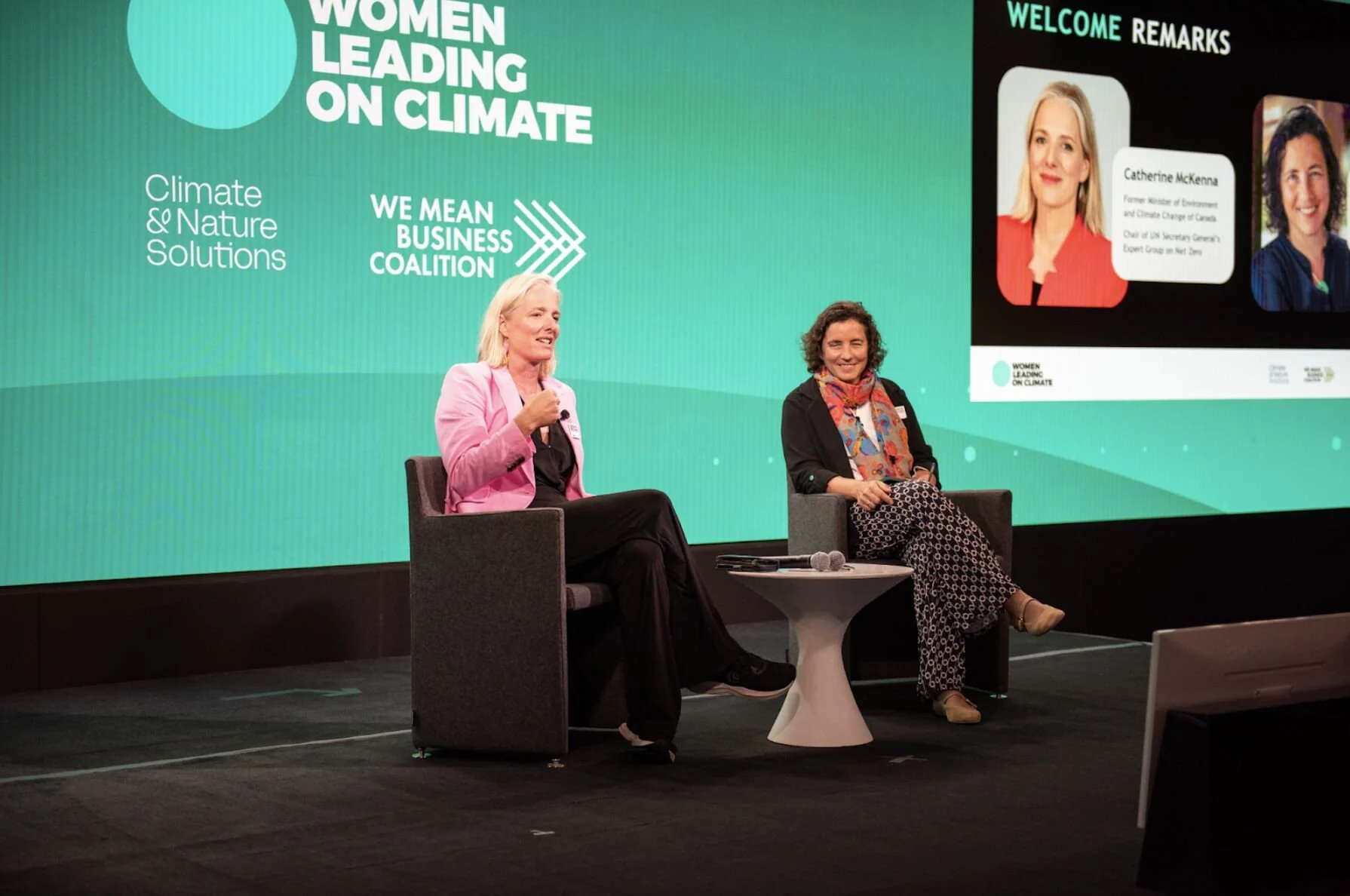
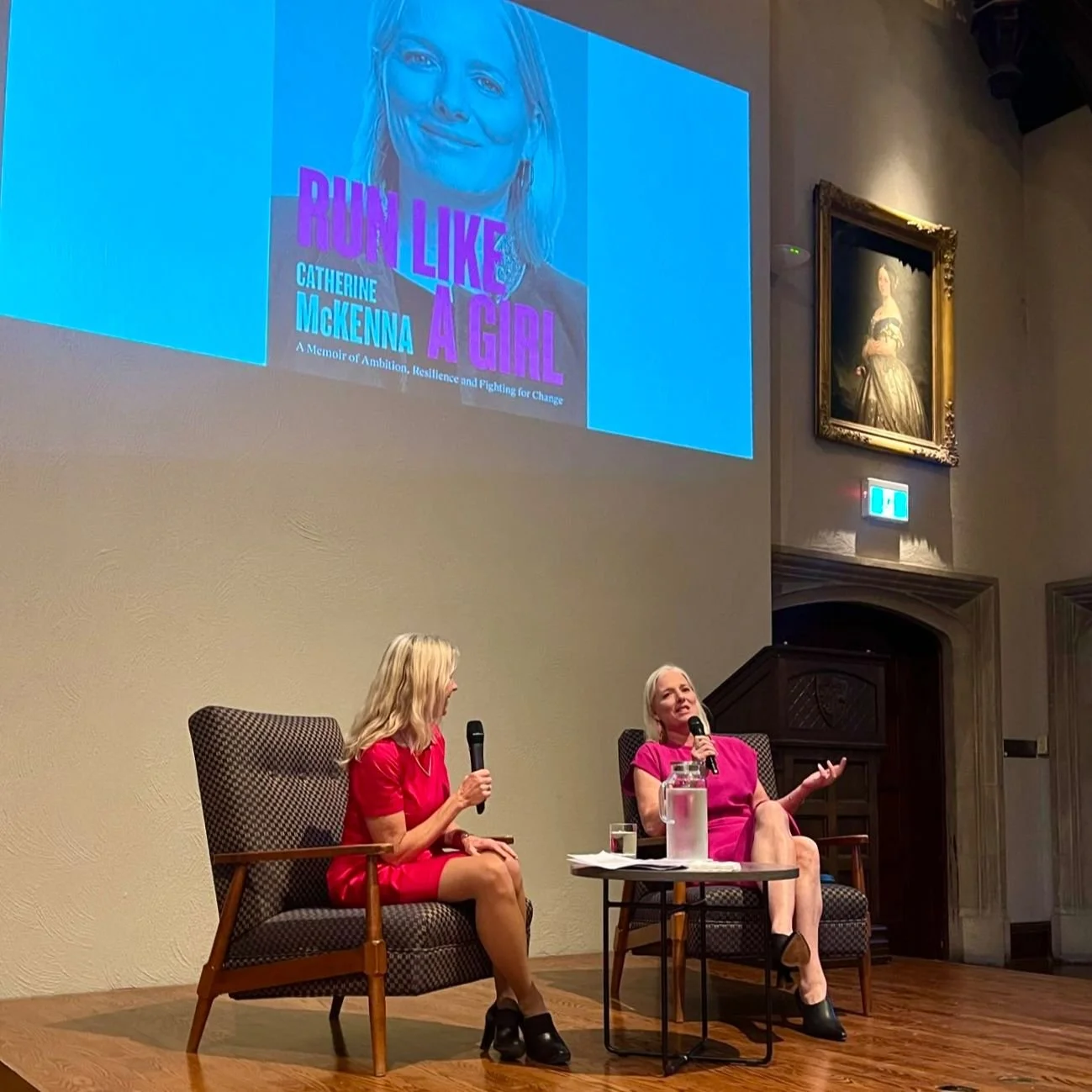
About Catherine
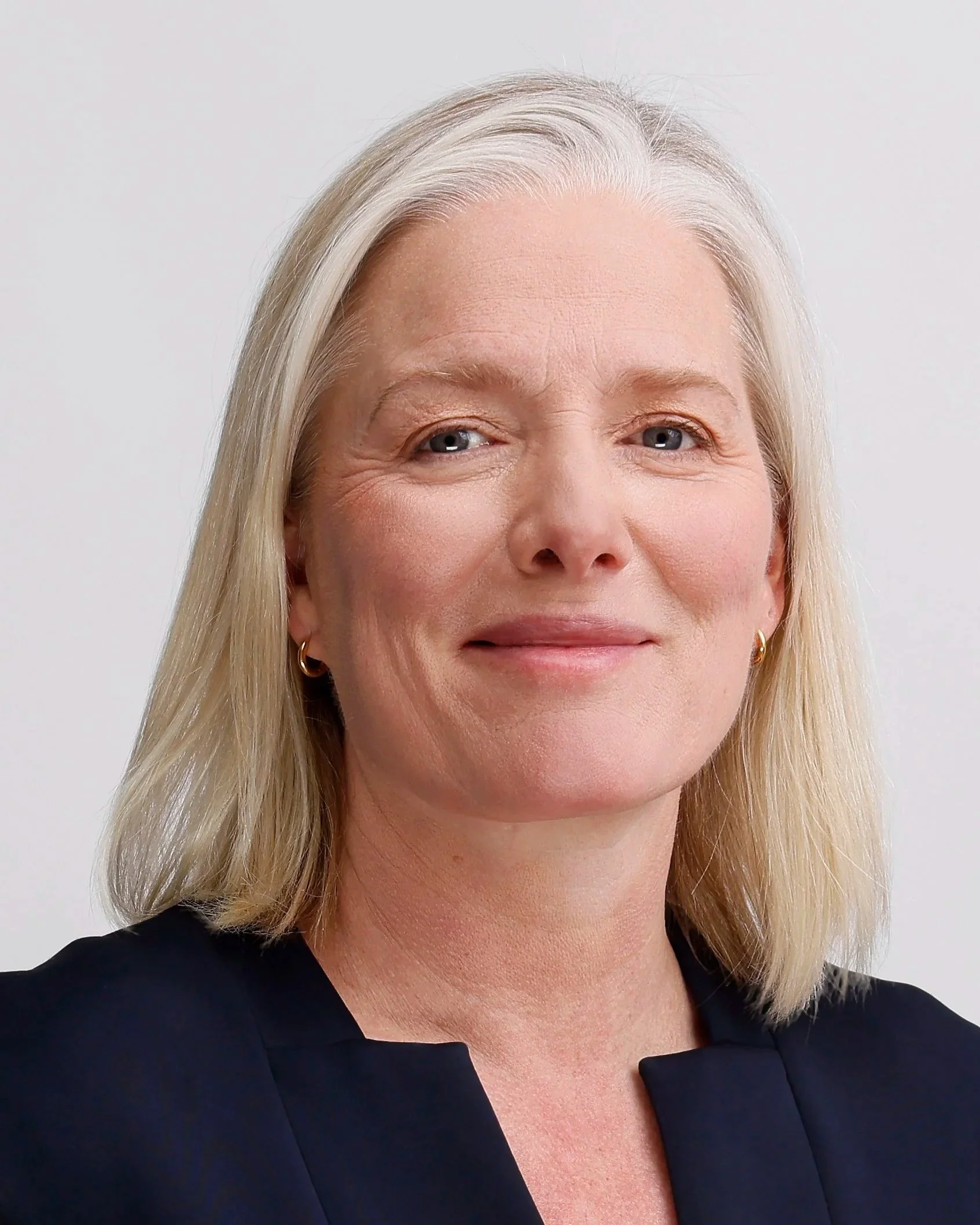
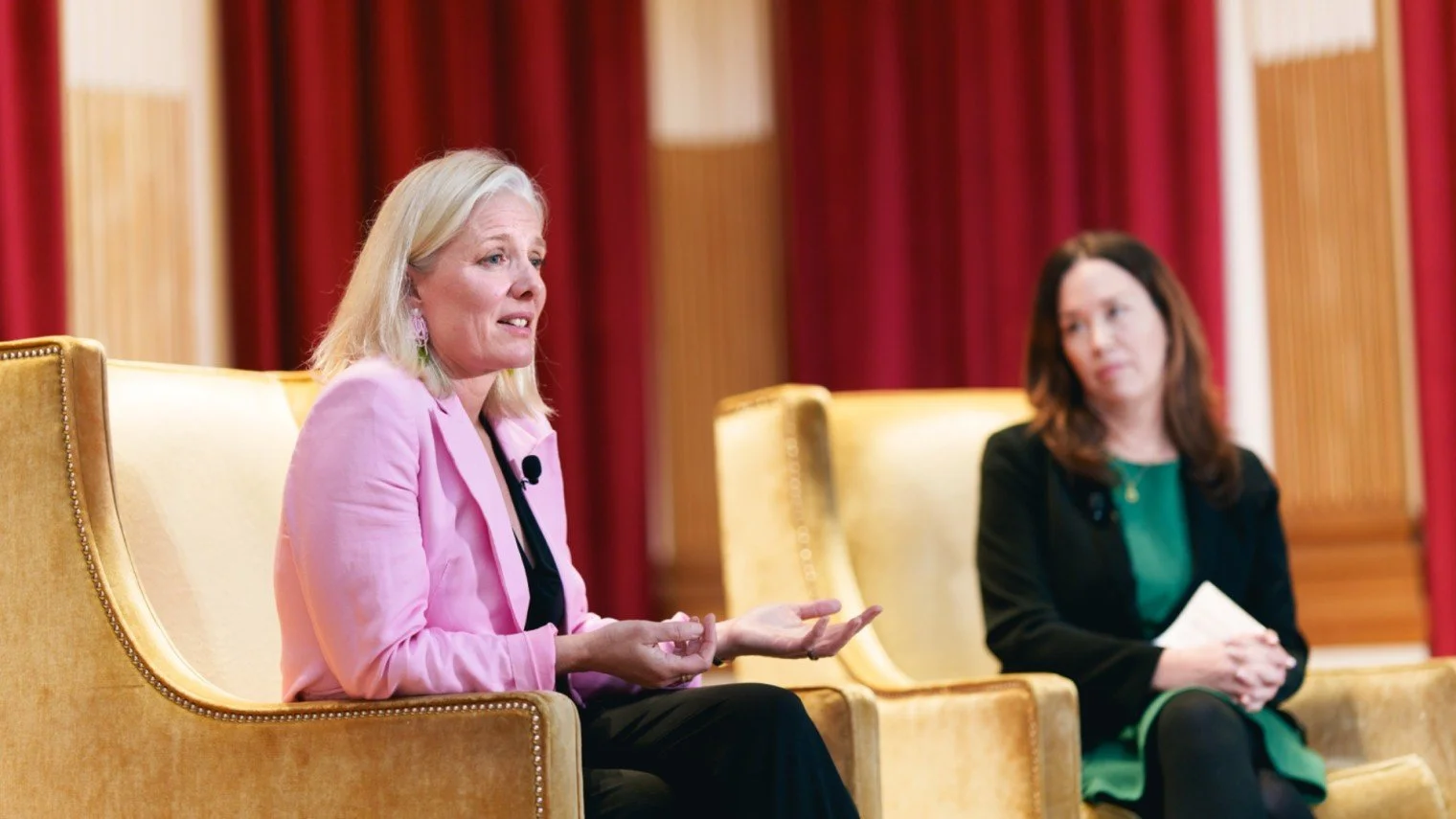
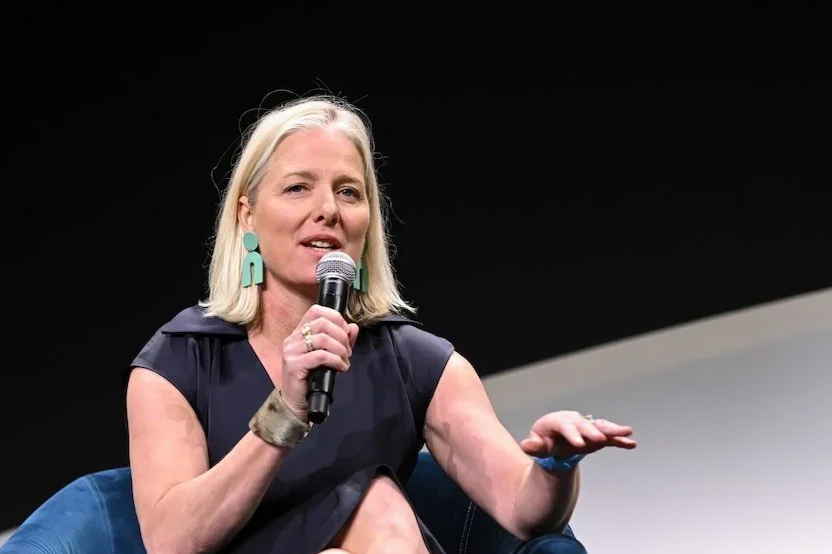
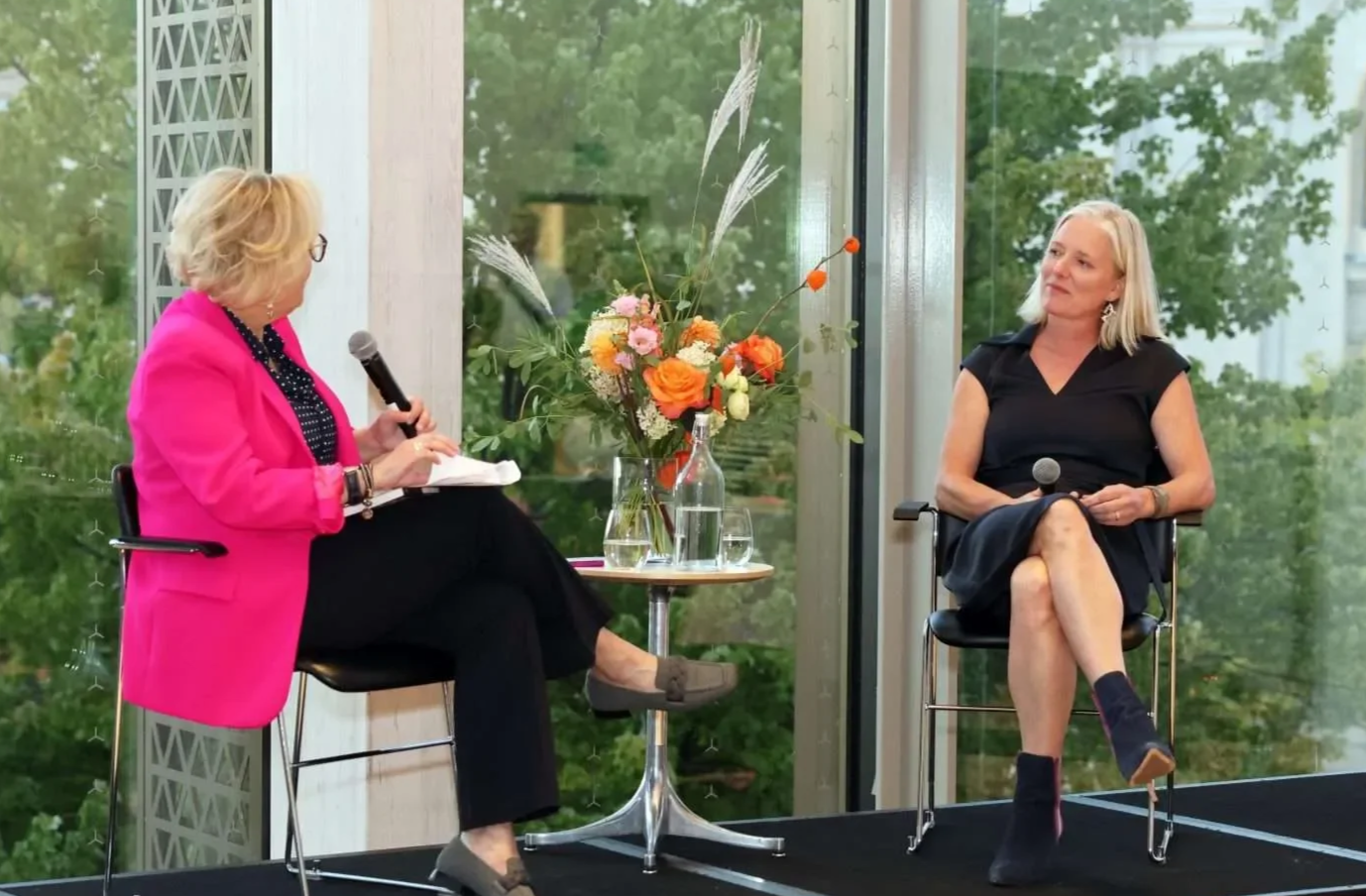
Catherine McKenna is the Founder and Chief Executive Officer of Climate and Nature Solutions. She is Canada's former minister of environment and climate change, and minister of infrastructure. She is chair of the UN Secretary General’s Expert Group on Net Zero, founded Women Leading on Climate, practiced law in Canada and Indonesia, established a not-for-profit focused on providing justice for all, and worked for the United Nations peacekeeping mission in Timor-Leste. She has three children, is an avid open water swimmer, and lives in Ottawa.